
 See Our Latest Article on HelloNation

A little soreness after a chiropractic adjustment can be normal, especially during the first day. Mild aching, stiffness, tenderness, tiredness, or a minor headache may occur in the areas treated and usually improves within about 24 hours. ([nccih.nih.gov](https://www.nccih.nih.gov/health/spinal-manipulation-what-you-need-to-know?utm_source=openai))
Why can an adjustment cause soreness?
An adjustment applies controlled movement or pressure to a joint and the surrounding soft tissues. Muscles, ligaments, and connective tissue may respond with temporary tenderness, much like after stretching, exercise, or using muscles in a new way.
Soreness may be more noticeable when:
- The area was already irritated or inflamed
- Muscles were tight or guarding movement
- The adjustment involved a joint that had been stiff
- The person is new to chiropractic treatment
- Several areas were treated during one visit
- The body is also recovering from lifting, yardwork, a fall, or prolonged sitting
For residents of Wheatfield, seasonal routines can also contribute. Snow removal, cold-weather stiffness, spring cleanup, gardening, home maintenance, and long periods spent driving or working at a computer may leave muscles more sensitive before treatment begins. In those situations, soreness after an adjustment may reflect both the treatment and the underlying strain.
What does normal post-adjustment soreness feel like?
Normal soreness is generally mild and temporary. It may feel like:
- A dull ache in the treated area
- Muscle tenderness when pressed
- Mild stiffness with certain movements
- A feeling similar to post-workout soreness
- Temporary tiredness
- A mild headache, particularly after treatment involving the neck
The discomfort should remain manageable and gradually improve rather than intensify. Research summaries from the National Center for Complementary and Integrative Health describe short-term increases in pain or discomfort, stiffness, and headache as common mild-to-moderate side effects; these effects often resolve within 24 hours. ([nccih.nih.gov](https://www.nccih.nih.gov/health/spinal-manipulation-what-you-need-to-know?utm_source=openai))
Not everyone feels sore. Some people notice immediate relief, while others experience no clear change until later in the day or the following morning.
How long should soreness last?
For many people, mild soreness lasts several hours and is substantially better within a day. Cleveland Clinic notes that minor aches after an adjustment commonly go away within 24 hours. ([my.clevelandclinic.org](https://my.clevelandclinic.org/health/treatments/21033-chiropractic-adjustment?utm_source=openai))
A longer-lasting or worsening symptom deserves more attention. If soreness remains significant after 24 to 48 hours, repeatedly occurs after treatment, or interferes with walking, sleeping, work, or ordinary household activities, the treatment plan should be reassessed. Persistent pain can have causes unrelated to the adjustment, including a muscle strain, nerve irritation, disc problem, arthritis, or an injury that needs a different type of evaluation.
The exact recovery time can vary with age, general health, activity level, the body region treated, and the reason for treatment.
What can help mild soreness at home?
For ordinary, mild soreness, gentle self-care is often reasonable:
- Keep moving lightly rather than staying in bed for long periods.
- Avoid strenuous lifting, forceful stretching, or intense exercise for the rest of the day if those activities increase discomfort.
- Use a comfortable warm or cool compress, depending on which feels better.
- Drink fluids normally and allow time for rest.
- Pay attention to posture during sitting, driving, sleeping, and computer work.
- Follow only the stretches or exercises that were specifically explained for the treated problem.
Medication is not automatically necessary. Anyone considering an over-the-counter pain reliever should follow the product label and account for medical conditions, allergies, pregnancy, kidney or liver disease, stomach ulcers, blood thinners, and other medications. A pharmacist or medical clinician can help determine whether a product is appropriate.
Is soreness a sign that the adjustment worked?
No. Soreness does not prove that an adjustment was effective, and the absence of soreness does not mean it was ineffective.
A treatment should be judged by meaningful changes such as improved movement, reduced pain, better function, or easier participation in ordinary activities. The sound of a joint popping is also not a reliable measure of whether treatment helped. A person should not feel pressured to tolerate increasing discomfort simply because soreness is described as evidence that the body is “realigning.”
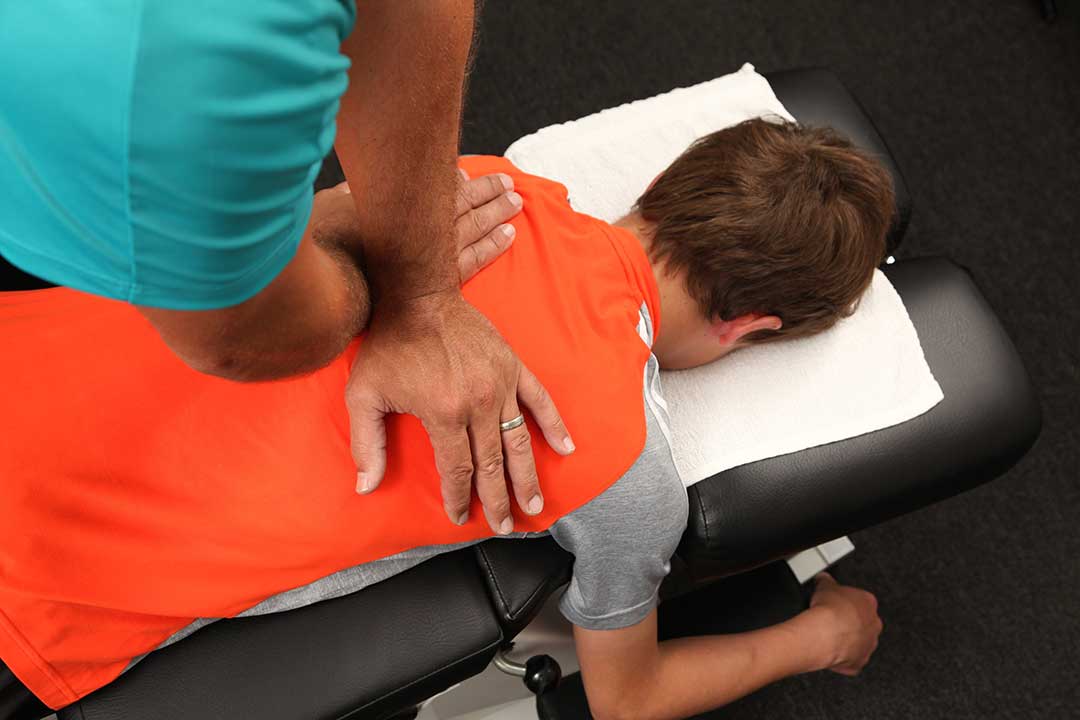
A useful discussion includes what symptoms are expected, how long they may last, which activities to limit, and what changes should prompt follow-up.
When is soreness not considered normal?
Severe, rapidly increasing, or unusual symptoms should not be dismissed as routine post-treatment soreness. Seek urgent medical evaluation for symptoms such as:
- New weakness, numbness, or loss of coordination
- Trouble walking or controlling the arms or legs
- Loss of bladder or bowel control
- Severe or escalating neck or back pain
- Sudden severe headache unlike usual headaches
- Dizziness, fainting, confusion, vision changes, or difficulty speaking
- Chest pain, shortness of breath, or severe nausea
- Fever, significant swelling, or signs of infection
Neck manipulation deserves particular caution because rare but serious neurological or vascular problems have been reported. NCCIH states that cervical artery injuries and stroke are very rare, but the possibility should be discussed, especially when a person has health conditions that may increase risk. ([nccih.nih.gov](https://www.nccih.nih.gov/health/spinal-manipulation-what-you-need-to-know?utm_source=openai))
A person who develops sudden neurological symptoms after treatment should call emergency services rather than waiting to see whether the symptoms improve.
What should be discussed before another adjustment?
Before additional treatment, report any soreness that was stronger, longer-lasting, or different from what was expected. Relevant information includes:
- Exactly where the pain occurred
- Whether it began immediately or several hours later
- How severe it became
- Whether movement improved or worsened it
- Any headache, tingling, numbness, weakness, dizziness, or visual symptoms
- Recent falls, collisions, heavy lifting, illness, or changes in medication
- Conditions such as osteoporosis, inflammatory arthritis, bleeding disorders, or previous spinal surgery
A careful health history helps determine whether an adjustment is appropriate and whether a gentler technique, a different treatment approach, or medical evaluation is safer. NCCIH emphasizes the importance of discussing health conditions and medications because underlying problems may increase the risk of adverse effects. ([nccih.nih.gov](https://www.nccih.nih.gov/health/spinal-manipulation-what-you-need-to-know?utm_source=openai))
For most people, mild short-lived soreness is an expected possibility, not an emergency. The key distinction is whether symptoms are improving and remain mild, or whether they are severe, persistent, progressive, or accompanied by neurological changes.
