
 See Our Latest Article on HelloNation
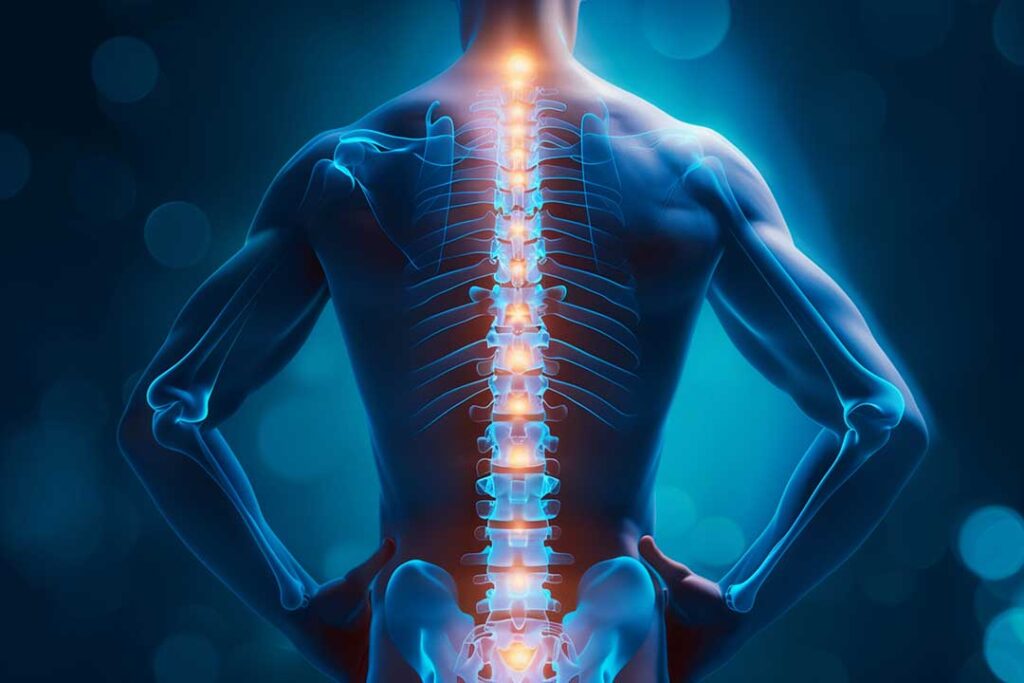
Residents in Wheatfield, NY often ask whether chiropractic care and physical therapy are competing choices or complementary forms of care. The short answer is that they may overlap in some techniques, but they usually emphasize different parts of recovery.
Chiropractic care commonly focuses on evaluating and treating joint and spinal movement, often through manual therapy such as spinal manipulation or mobilization. Physical therapy generally places greater emphasis on restoring strength, flexibility, balance, coordination, and confidence with movement through exercise and functional training.
The right approach depends on the cause of the problem, the person’s health history, the goals of care, and whether any warning signs require medical evaluation.
What is the main difference between chiropractic care and physical therapy?
Chiropractic care often emphasizes hands-on treatment for joints, muscles, and the spine. Physical therapy usually combines examination, movement training, therapeutic exercise, and education to improve how the body performs everyday activities.
A chiropractic evaluation may consider:
- Spinal and joint mobility
- Muscle tension and movement restrictions
- Posture and mechanical sources of discomfort
- Whether manual treatment is appropriate
A physical therapy evaluation may consider:
- Strength and endurance
- Range of motion
- Walking, lifting, reaching, or balance
- Movement patterns that contribute to recurring symptoms
- How pain affects work, recreation, household tasks, and sleep
These descriptions are general rather than absolute. Chiropractors may prescribe exercises, and physical therapists may use manual therapy, including mobilization or, where permitted and appropriate, manipulation. The legal scope of physical therapy is determined by state law and professional regulations. ([nccih.nih.gov](https://www.nccih.nih.gov/health/spinal-manipulation-what-you-need-to-know?6df6a1c6_page=3&utm_source=openai))
Do chiropractic care and physical therapy use some of the same treatments?
Yes. Both professions may use hands-on techniques, stretching, exercise instruction, and education about movement.
The term “manual therapy” can include several different approaches. Mobilization uses controlled movement within a joint’s range. Manipulation involves a more specific, controlled thrust. The technique, force, location, and clinical reasoning vary from person to person.
Spinal manipulation is not exclusive to chiropractic care. It may also be used by some physical therapists, osteopathic physicians, and other licensed health professionals who have appropriate training and authorization. ([nccih.nih.gov](https://www.nccih.nih.gov/health/spinal-manipulation-what-you-need-to-know?6df6a1c6_page=3&utm_source=openai))
The important question is not simply which profession offers a particular technique. It is whether the treatment is appropriate for the diagnosis, medical history, age, medications, bone health, and current symptoms.
Why is exercise often a key part of recovery?
Hands-on treatment may reduce discomfort or improve movement in the short term, but exercise helps a person maintain and build those gains. Physical therapy is particularly centered on progressive activity.
A program may include:
- Gentle range-of-motion exercises
- Strengthening for the trunk, hips, shoulders, or legs
- Balance and coordination training
- Walking or lifting practice
- Gradual return to work, sports, gardening, or household activities
For example, someone with recurring low-back discomfort may benefit from temporary symptom relief through manual care while also learning how to improve hip strength, trunk control, lifting technique, and tolerance for prolonged standing.
This is relevant for local households that may spend long periods shoveling, doing seasonal yard work, maintaining property, sitting during winter travel, or completing physically demanding home projects. The goal is not merely to make a painful area feel better but to improve the person’s ability to move safely and consistently.
Can someone receive both types of care?
Sometimes, but combined care should have a clear purpose. Receiving two treatments at once does not automatically make recovery faster.
Chiropractic care and physical therapy may be coordinated when:
- Symptoms involve both joint stiffness and reduced strength
- A person needs manual treatment and a structured exercise plan
- Recovery follows an injury, period of reduced activity, or surgery
- One provider identifies a concern that another discipline is better equipped to address
- Progress is being measured through practical goals such as walking, lifting, sleeping, or returning to recreation

Communication matters. Each provider should know about relevant diagnoses, medications, imaging, recent injuries, and other treatments. APTA guidance emphasizes collaboration, referral when necessary, and staying within professional expertise. ([apta.org](https://www.apta.org/your-practice/documentation/defensible-documentation/elements-within-the-patientclient-management-model/initial-examination?utm_source=openai))
If treatment plans conflict, the patient may experience unnecessary soreness, duplicated exercises, or confusion about activity restrictions. A coordinated plan should explain which symptoms are being addressed, how progress will be measured, and when the approach should be changed.
Which approach is better for back or neck pain?
Neither approach is automatically better for every person. For uncomplicated low-back pain, evidence supports several non-drug options, including exercise-based care and spinal manipulation, but benefits are often modest and vary among individuals.
The American College of Physicians includes spinal manipulation among options for acute, subacute, and chronic low-back pain. It also recommends exercise and other non-drug approaches, particularly for persistent symptoms. ([acponline.org](https://www.acponline.org/acp-newsroom/american-college-of-physicians-issues-guideline-for-treating-nonradicular-low-back-pain?utm_source=openai))
Research summarized by the National Center for Complementary and Integrative Health suggests that spinal manipulation may provide small improvements in pain and function for some adults with acute or chronic low-back pain. Temporary soreness, tiredness, or increased discomfort can occur. Serious complications are uncommon, but risks depend on the technique and the individual’s health circumstances. ([nccih.nih.gov](https://www.nccih.nih.gov/health/low-back-pain-and-complementary-health-approaches-what-you-need-to-know?utm_source=openai))
For neck symptoms, headaches, pain traveling into an arm or leg, numbness, or weakness, the evaluation becomes especially important. Treatment should be based on a careful history and examination rather than on the location of pain alone.
What should a patient ask before starting care?
Useful questions can make the treatment plan clearer:
- What is the working explanation for the symptoms?
- What findings support that explanation?
- What will treatment involve besides hands-on care?
- How will improvement be measured?
- What activities should continue, and which should be modified temporarily?
- What side effects or warning signs should be reported?
- When should another medical professional be involved?
- Is coordination with a physician, chiropractor, physical therapist, or other provider appropriate?
A reasonable plan should include a way to reassess progress. If symptoms are not improving as expected, the diagnosis and treatment strategy may need to be reconsidered.
When should pain be evaluated medically before manual treatment?
Certain symptoms require prompt medical attention rather than routine musculoskeletal care. These include new or worsening weakness, loss of bladder or bowel control, numbness in the groin region, unexplained fever, significant trauma, severe unrelenting pain, fainting, unexplained weight loss, or a history that raises concern for infection, fracture, cancer, or another serious condition.
People with osteoporosis, bleeding disorders, vascular conditions, inflammatory disease, recent surgery, or complex medical problems should disclose those details before receiving manipulation or vigorous exercise.
The relationship between chiropractic care and physical therapy is best understood as complementary rather than automatically interchangeable. Both can have a role in managing movement-related problems, but the most useful plan matches the treatment to the diagnosis, includes active participation when appropriate, and remains flexible as recovery develops.
