
 See Our Latest Article on HelloNation
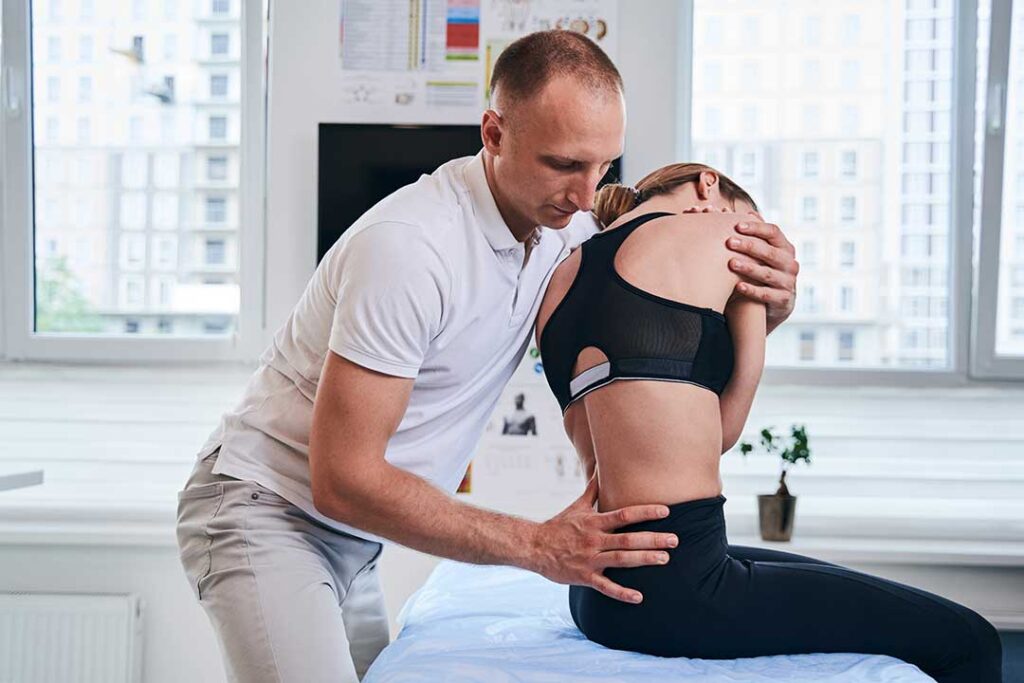
Daily movement does not require a complicated workout plan. For residents of Wheatfield, NY, healthy movement can be built into ordinary activities such as walking through the house, working at a desk, shoveling snow, gardening, carrying groceries, or taking short breaks during the day.
The goal is not to avoid every period of sitting or physical effort. It is to change positions regularly, use steady body mechanics, and respond early when movement begins to feel uncomfortable.
Why does regular movement matter during the day?
Regular movement helps reduce stiffness, supports joint mobility, and gives muscles frequent opportunities to work without placing all physical demand on one exercise session. Long periods in one position can make the neck, shoulders, back, hips, and legs feel tight, even when the activity itself seems harmless.
Movement also helps people notice how their bodies are responding. A brief walk after sitting may reveal that stiffness improves with gentle activity, while repeated bending, lifting, or reaching may show that a task needs to be adjusted.
A practical daily goal is to avoid remaining in the same position for too long. Standing up, walking a short distance, changing chair position, or gently moving the shoulders and ankles can interrupt inactive periods.
How often should someone change positions?
Changing position every 30 to 60 minutes is a reasonable general habit for many adults. The exact timing can vary depending on work demands, health conditions, and comfort.
Useful movement breaks may include:
- Walking to another room
- Standing while speaking on the phone
- Performing a few slow shoulder rolls
- Gently straightening and bending the knees
- Taking several deep breaths while standing upright
- Moving from a chair to a standing position and back
A movement break does not need to be strenuous. Its purpose is to interrupt prolonged stillness and restore comfortable motion. If a person is absorbed in computer work, setting a quiet reminder can make these breaks easier to remember.
What is a healthier way to sit?
Healthy sitting depends less on finding one perfect posture and more on avoiding the same posture for hours. A chair should allow the feet to rest securely, with the knees roughly level with or slightly lower than the hips. The screen should be positioned so the head does not remain tipped downward for long periods.
Helpful adjustments include:
- Keeping both feet supported when possible
- Allowing the shoulders to relax instead of lifting them toward the ears
- Keeping frequently used objects within easy reach
- Supporting the lower back if the chair does not provide enough contact
- Moving the screen or changing sitting position rather than twisting the neck repeatedly
Even a well-arranged workstation can become uncomfortable if it is used without movement breaks. Posture is not a rigid position that must be held all day. It is more useful to think of posture as the ability to move between comfortable positions.
How can household chores be easier on the back and joints?
Household tasks often involve repeated bending, twisting, reaching, pushing, and lifting. The physical demand can add up, especially during seasonal work such as clearing snow, preparing outdoor areas, or storing household items.
For lifting, keep the load close to the body and turn with the feet rather than twisting through the spine. When an object is awkward, divide it into smaller loads or ask for help if handling it alone would require straining.
For lower tasks, bending at the hips and knees can reduce the need to round the back deeply. A kneeling pad, raised work surface, or long-handled tool may make gardening and cleaning more comfortable.
During snow removal or other repetitive outdoor work, use shorter sessions rather than trying to finish everything without a pause. Alternate sides when practical, keep the pace moderate, and stop if pain becomes sharp, spreading, or progressively worse.
What movement habits help people who work at a desk?
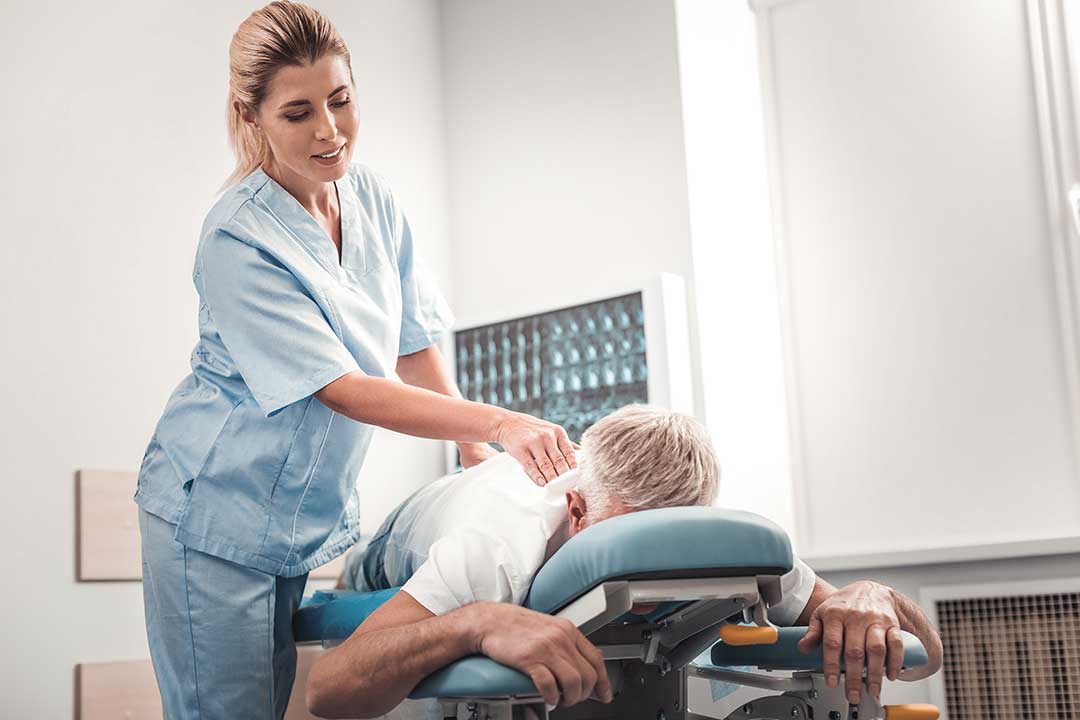
Desk workers benefit from combining position changes with simple mobility. A short walk during a break is useful, but small movements performed near the workstation can also help.
Try periodically:
- Looking away from the screen and gently turning the head within a comfortable range
- Drawing the shoulder blades slightly back and down
- Standing with the hands resting lightly on the hips and extending the upper body without forcing
- Walking for a few minutes before returning to the desk
- Relaxing the grip on a mouse, phone, or writing instrument
A common misconception is that discomfort always means a person must stretch aggressively. Forceful stretching may aggravate an already sensitive area. Slow, controlled movement is generally a better starting point, particularly after long periods of inactivity.
How can someone stay active during cold or icy weather?
Winter conditions can reduce outdoor walking and increase the risk of slips. Movement can still be maintained indoors through hallway walking, gentle bodyweight exercises, household tasks, or repeated sit-to-stand movements from a stable chair.
Before going outside, consider the walking surface, footwear, lighting, and visibility. On icy paths, shorter steps and a slower pace may improve balance. Keeping the hands free rather than placing them in coat pockets can make it easier to recover from a stumble.
Cold muscles may feel less flexible at the beginning of outdoor activity. A few minutes of easy indoor movement can prepare the body better than starting immediately with heavy lifting or fast exertion.
What should people know about walking and exercise?
Walking is a useful form of regular activity because it can be adjusted for pace, distance, and terrain. The right amount depends on a person’s current fitness, health history, and symptoms. Someone returning to activity after a long period of inactivity may benefit from starting with brief, comfortable walks and increasing gradually.
Exercise should create a manageable challenge rather than severe pain. Mild muscle fatigue can occur with strengthening activity, but new numbness, weakness, loss of balance, chest discomfort, unusual shortness of breath, or severe pain calls for stopping and seeking appropriate medical evaluation.
People with known health conditions, recent injuries, or significant limitations may need individualized guidance before changing their activity routine.
When is discomfort a warning sign?
Temporary stiffness that improves with gentle movement is different from symptoms that persist, intensify, or interfere with normal function. Prompt medical attention is appropriate for serious symptoms such as sudden weakness, loss of bladder or bowel control, major injury, fainting, chest pain, or difficulty breathing.
For less urgent concerns, keep track of what activities trigger discomfort, how long symptoms last, and whether movement helps or worsens them. This information can help a qualified health professional understand the pattern and determine whether further evaluation is needed.
Healthy movement throughout the day is built from frequent position changes, reasonable pacing, safe lifting, and attention to early warning signs. These habits can support daily comfort whether a person is working indoors, maintaining a home, walking outdoors, or managing seasonal tasks in the community.
