
 See Our Latest Article on HelloNation
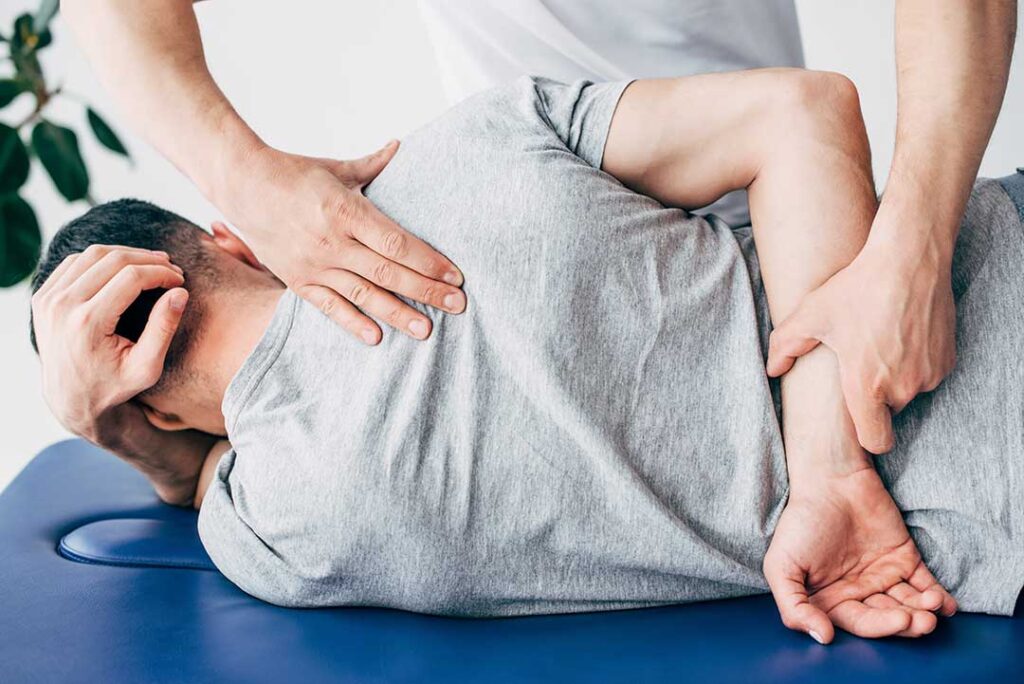
Joint inflammation can cause aching, stiffness, warmth, swelling, or reduced movement. For residents of Wheatfield, NY, symptoms may become more noticeable after long periods of inactivity, winter shoveling, spring yard work, or repetitive household tasks. Natural approaches can often support comfort and mobility, but persistent or severe inflammation may require medical evaluation because arthritis, gout, infection, autoimmune disease, and injury can look different.
What does joint inflammation feel like?
Inflammation often produces swelling, warmth, tenderness, and stiffness around a joint. Osteoarthritis commonly causes pain with activity, stiffness after resting, and swelling after increased use. Inflammatory forms of arthritis may cause more prolonged morning stiffness, multiple painful joints, fatigue, or symptoms that fluctuate throughout the day. ([cdc.gov](https://www.cdc.gov/arthritis/osteoarthritis/index.html?utm_source=openai))
The location and pattern matter. Knee or hip discomfort after walking may have different causes than a suddenly red, hot toe or several swollen finger joints. A symptom diary can help track:
- Which joints are affected
- Whether swelling, warmth, or redness is present
- How long morning stiffness lasts
- What activities make symptoms better or worse
- Whether symptoms interfere with sleep or ordinary tasks
Natural care is most useful when it is matched to the likely cause rather than treated as a universal solution.
Can gentle movement reduce inflammation?
Yes. Regular, joint-friendly activity can reduce arthritis-related pain, improve function, support mood, and help maintain muscle around vulnerable joints. Avoiding movement completely may increase stiffness and weakness, which can make daily activity harder. ([cdc.gov](https://www.cdc.gov/arthritis/prevention/index.html?utm_source=openai))
Start with a manageable amount rather than trying to make up for several inactive days at once. Options that usually place less stress on joints include:
- Short walks on level ground
- Stationary cycling
- Water exercise
- Tai chi
- Gentle range-of-motion exercises
- Light strengthening with resistance bands
A practical starting point may be five to ten minutes, followed by a gradual increase if symptoms remain stable. National guidance encourages adults, including those with arthritis, to work toward 150 minutes of moderate activity each week and muscle-strengthening activity on at least two days, but the target can be divided into shorter sessions. ([cdc.gov](https://www.cdc.gov/arthritis/prevention/index.html?utm_source=openai))
During colder months, warming up indoors before walking outside may reduce the abrupt stiffness that some people notice in cold weather. Comfortable, supportive footwear is especially useful when sidewalks, driveways, or outdoor paths are uneven or slippery.
Should heat or cold be used?
Both can help, but they serve different purposes. Heat may loosen stiffness, improve flexibility, and make movement more comfortable. A warm shower, heating pad, or warm towel can be useful before gentle exercise or in the morning.
Cold may temporarily reduce pain and swelling after overuse or activity. A cold pack wrapped in a cloth can be applied for short periods. Avoid placing ice directly on the skin, and stop if the area becomes numb, pale, or unusually painful.
A joint that is acutely hot, very red, or rapidly swelling should not be managed with home care alone. Those signs can indicate infection, gout, or another condition requiring prompt assessment.
Can food choices affect joint symptoms?
A balanced eating pattern may support overall health, weight management, and the body’s ability to handle chronic disease. Emphasize vegetables, fruits, beans, whole grains, nuts, fish, and other sources of protein while limiting heavily processed foods and excess added sugar.
Weight management can be particularly relevant for weight-bearing joints such as the knees and hips. Even modest weight loss may reduce joint stress and improve mobility for adults carrying excess weight. The goal should be gradual, sustainable change rather than restrictive dieting. ([niams.nih.gov](https://www.niams.nih.gov/health-topics/osteoarthritis/diagnosis-treatment-and-steps-to-take?utm_source=openai))
No single food reliably “flushes out” inflammation, and supplements are not automatically safe. Fish oil, turmeric, glucosamine, and other products can interact with medications or may not be appropriate for people with certain health conditions. Discuss supplements with a qualified health professional before using them regularly.
How do sleep and daily habits influence joint pain?
Poor sleep can increase sensitivity to pain and make stiffness feel more burdensome. A consistent sleep schedule, a comfortable sleeping position, and reduced evening screen exposure may help. If pain repeatedly wakes someone, that pattern deserves attention rather than being dismissed as normal aging.
Joint protection also matters. During yard work, snow clearing, home maintenance, or prolonged standing:
- Alternate tasks instead of repeating one movement for hours.
- Use larger joints and both hands when possible.
- Take brief movement breaks before stiffness becomes severe.
- Avoid lifting loads that cause sharp pain.
- Use a cart or divided loads rather than carrying everything at once.
- Change positions regularly during desk work or driving.
These strategies do not mean avoiding activity. They help distribute stress more evenly so the joint can remain active without repeated flare-ups.
Does chiropractic care reduce joint inflammation?
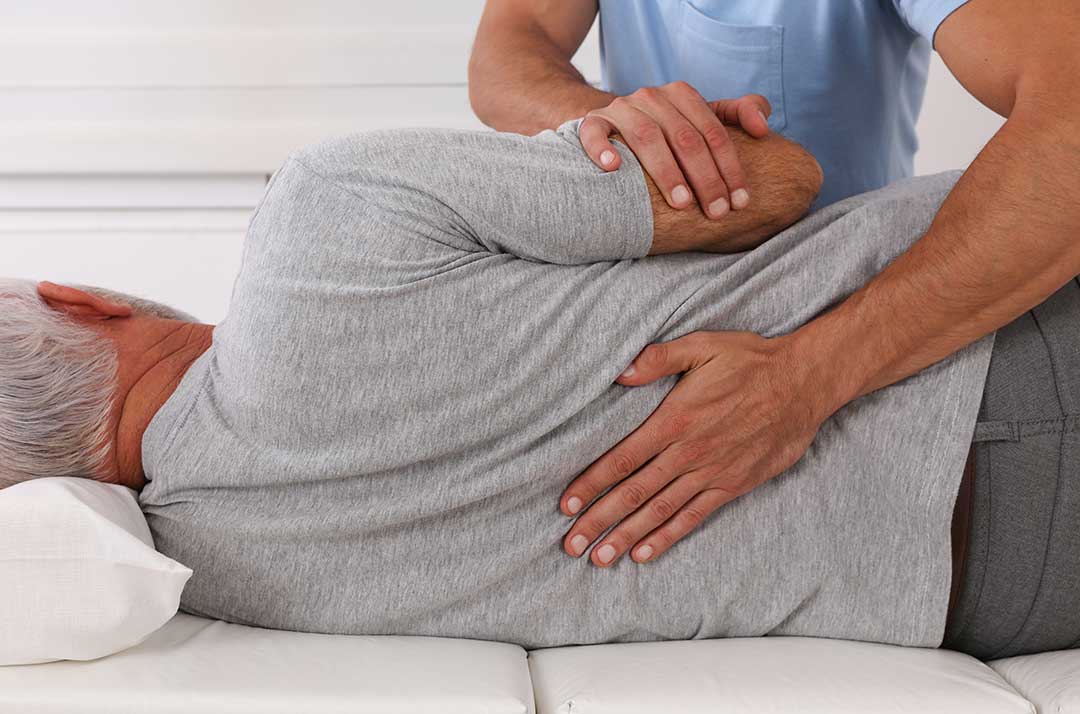
Chiropractic care is generally directed toward musculoskeletal problems, especially spinal and joint-related pain, movement limitations, and function. Spinal manipulation may provide modest improvement for some forms of low-back pain, but it should not be considered a cure for systemic inflammation, autoimmune arthritis, infection, or gout. ([nccih.nih.gov](https://www.nccih.nih.gov/health/spinal-manipulation-what-you-need-to-know?utm_source=openai))
Anyone considering manual treatment should share information about osteoporosis, recent injury, blood-thinning medication, inflammatory disease, cancer, neurological symptoms, and other significant health conditions. Mild temporary soreness or stiffness can occur after manipulation, while rare serious complications have also been reported. Neck manipulation deserves particular caution because rare artery injuries have been associated with sudden neck movements, although researchers disagree about whether manipulation directly causes those injuries. ([nccih.nih.gov](https://www.nccih.nih.gov/health/spinal-manipulation-what-you-need-to-know?utm_source=openai))
A careful evaluation should come before any treatment that involves forceful movement, particularly when a joint is hot, swollen, unstable, or acutely injured.
When should joint inflammation be evaluated promptly?
Seek urgent medical attention for a joint that becomes suddenly very painful, hot, red, or swollen, especially with fever, chills, or feeling unwell. Prompt evaluation is also appropriate after a significant fall or injury, when the joint cannot bear weight, or when swelling is rapidly increasing.
Arrange a routine medical assessment when symptoms last more than several weeks, recur frequently, affect multiple joints, cause prolonged morning stiffness, or interfere with sleep, work, walking, or household activities. Pain that is sharp and constant, causes limping, worsens at night, or continues for more than two hours after exercise should also be evaluated. ([archive.cdc.gov](https://archive.cdc.gov/www_cdc_gov/arthritis/basics/physical-activity/pain.html?utm_source=openai))
Natural strategies can support comfort, but they work best as part of a broader plan that identifies the cause of inflammation and protects long-term joint function.
